<?xml version="1.0" encoding="utf-8"?><feed xmlns="http://www.w3.org/2005/Atom" ><generator uri="https://jekyllrb.com/" version="4.4.1">Jekyll</generator><link href="https://buddhistuniversity.net/feed/content/pali-language.xml" rel="self" type="application/atom+xml" /><link href="https://buddhistuniversity.net/" rel="alternate" type="text/html" /><updated>2026-06-07T19:30:24+07:00</updated><id>https://buddhistuniversity.net/feed/content/pali-language.xml</id><title type="html">The Open Buddhist University | Content | The Pāli Language</title><subtitle>A website dedicated to providing free, online courses and bibliographies in Buddhist Studies. </subtitle><author><name>Khemarato Bhikkhu</name><uri>https://twitter.com/buddhistuni</uri></author><entry><title type="html">Living Phonologies: Khmer Pronunciations of Pali at the Nexus of Writing and Orality</title><link href="https://buddhistuniversity.net/content/articles/living-phonologies-khmer-pronunciations-of-pali_walker-trent" rel="alternate" type="text/html" title="Living Phonologies: Khmer Pronunciations of Pali at the Nexus of Writing and Orality" /><published>2025-12-01T19:02:24+07:00</published><updated>2025-12-01T19:02:24+07:00</updated><id>https://buddhistuniversity.net/content/articles/living-phonologies-khmer-pronunciations-of-pali_walker-trent</id><content type="html" xml:base="https://buddhistuniversity.net/content/articles/living-phonologies-khmer-pronunciations-of-pali_walker-trent"><![CDATA[<blockquote>
  <p>To give a precise account of how the living complexity of Pali unfolds, the findings in this article are based on the phonetic transcription and analysis of fifteen multimedia recordings of Pali liturgical chants in twentieth- and twenty-first-century Cambodia.
The range of major and minor variations in Pali pronunciation witnessed during this period, and the contentious debates behind these divergencies, open new paths for understanding the past and present of Pali as a Buddhist language.</p>
</blockquote>]]></content><author><name>Trent Walker</name><uri>https://buddhistuniversity.net/authors/walker-trent</uri></author><category term="articles" /><category term="cambodian" /><category term="pali-language" /><category term="theravada-chanting" /><summary type="html"><![CDATA[To give a precise account of how the living complexity of Pali unfolds, the findings in this article are based on the phonetic transcription and analysis of fifteen multimedia recordings of Pali liturgical chants in twentieth- and twenty-first-century Cambodia. The range of major and minor variations in Pali pronunciation witnessed during this period, and the contentious debates behind these divergencies, open new paths for understanding the past and present of Pali as a Buddhist language.]]></summary></entry><entry><title type="html">Dravidian Poem Translated Into Pali?: Apadana-Atthakatha/Visuddhajanavilasini (534 13-537 28, Vv 12–48)</title><link href="https://buddhistuniversity.net/content/articles/dravidian-poem-translated-into-pali_levman" rel="alternate" type="text/html" title="Dravidian Poem Translated Into Pali?: Apadana-Atthakatha/Visuddhajanavilasini (534 13-537 28, Vv 12–48)" /><published>2025-09-25T08:55:54+07:00</published><updated>2025-09-25T08:55:54+07:00</updated><id>https://buddhistuniversity.net/content/articles/dravidian-poem-translated-into-pali_levman</id><content type="html" xml:base="https://buddhistuniversity.net/content/articles/dravidian-poem-translated-into-pali_levman"><![CDATA[<blockquote>
  <p>This article examines a poem in the Kaludayittherapadanavannana which expands on the poem attributed to Kaludayitthera in the Theragatha; the poem in the Kaludayittherapadanavannana did not make it into the final canon.
The hypothesis of this paper is that the poem may be a popular Dravidian song adapted to Buddhist use and translated into Pali, and this is the primary reason it was excluded from the canon.</p>
</blockquote>

<blockquote>
  <p>This conclusion is based on several factors.
1) The author of the Pali poem was not well versed in the Pali language and made constant mistakes in translation.
2) Gratuitous repetition; the poem itself is not very good poetry, containing the kind of needless repetition one associates with a popular song.
3) 13.4% of the words in the poem are direct lifts from Dravidian words; this compares to only 3.9% of the words in the Theragatha poem itself, of which this poem is an extension. While this does not prove that the source was a Dravidian poem, it raises the probability quite significantly. In addition, this kind of literature—making lists of biota in the natural world for comparison, personification and poetic effect— is common in Dravidian Sangam literature.
4) The poem contains wrong or awkward phrases in Pali which can be better understood as Dravidian imports, and
5) an extensive and growing body of linguistic evidence shows that the adoption of Dravidian terminology into Buddhist thought and practice was not an uncommon occurrence.</p>
</blockquote>]]></content><author><name>Bryan Levman</name><uri>https://buddhistuniversity.net/authors/levman</uri></author><category term="articles" /><category term="canonical-poetry" /><category term="pali-language" /><category term="indian" /><summary type="html"><![CDATA[This article examines a poem in the Kaludayittherapadanavannana which expands on the poem attributed to Kaludayitthera in the Theragatha; the poem in the Kaludayittherapadanavannana did not make it into the final canon. The hypothesis of this paper is that the poem may be a popular Dravidian song adapted to Buddhist use and translated into Pali, and this is the primary reason it was excluded from the canon.]]></summary></entry><entry><title type="html">Thag 1.119 Vajjiputta Theragāthā: Vajjiputta (2nd)</title><link href="https://buddhistuniversity.net/content/canon/thag1.119" rel="alternate" type="text/html" title="Thag 1.119 Vajjiputta Theragāthā: Vajjiputta (2nd)" /><published>2024-07-02T15:22:40+07:00</published><updated>2024-09-24T14:48:08+07:00</updated><id>https://buddhistuniversity.net/content/canon/thag.01.119</id><content type="html" xml:base="https://buddhistuniversity.net/content/canon/thag1.119"><![CDATA[<blockquote>
  <p>What is this hullabaloo to you?</p>
</blockquote>

<p>A fun, simple poem to learn in the original Pāḷi.</p>]]></content><author><name>Bhante Sujato</name><uri>https://buddhistuniversity.net/authors/sujato</uri></author><category term="canon" /><category term="thought" /><category term="thag" /><category term="pali-language" /><summary type="html"><![CDATA[What is this hullabaloo to you?]]></summary></entry><entry><title type="html">Society at the Time of the Buddha</title><link href="https://buddhistuniversity.net/content/monographs/society-at-the-time-of-the-buddha_wagle-narendra" rel="alternate" type="text/html" title="Society at the Time of the Buddha" /><published>2024-04-22T12:26:30+07:00</published><updated>2024-05-23T12:32:21+07:00</updated><id>https://buddhistuniversity.net/content/monographs/society-at-the-time-of-the-buddha_wagle-narendra</id><content type="html" xml:base="https://buddhistuniversity.net/content/monographs/society-at-the-time-of-the-buddha_wagle-narendra"><![CDATA[<p>A thorough introduction to the Buddha’s social world via rich descriptions of a large number of Pāḷi terms.</p>]]></content><author><name>Narendra K. Wagle</name></author><category term="monographs" /><category term="pali-language" /><category term="setting" /><summary type="html"><![CDATA[A thorough introduction to the Buddha’s social world via rich descriptions of a large number of Pāḷi terms.]]></summary></entry><entry><title type="html">Lexical Ambiguities in the Buddhist Teachings</title><link href="https://buddhistuniversity.net/content/articles/lexical-ambiguities_levman" rel="alternate" type="text/html" title="Lexical Ambiguities in the Buddhist Teachings" /><published>2024-03-01T21:57:50+07:00</published><updated>2024-09-24T14:48:08+07:00</updated><id>https://buddhistuniversity.net/content/articles/lexical-ambiguities_levman</id><content type="html" xml:base="https://buddhistuniversity.net/content/articles/lexical-ambiguities_levman"><![CDATA[<blockquote>
  <p>… the original composer of the <em>gāthās</em> was likely aware of and comfortable with the polyvocal nature of the teachings, which added a richer and deeper dimension to the teaching.</p>
</blockquote>]]></content><author><name>Bryan Levman</name><uri>https://buddhistuniversity.net/authors/levman</uri></author><category term="articles" /><category term="pali-language" /><category term="agama" /><category term="canonical-poetry" /><summary type="html"><![CDATA[… the original composer of the gāthās was likely aware of and comfortable with the polyvocal nature of the teachings, which added a richer and deeper dimension to the teaching.]]></summary></entry><entry><title type="html">Language Theory, Phonology and Etymology in Buddhism and Their Relationship to Brahmanism</title><link href="https://buddhistuniversity.net/content/articles/language-theory-phonology-and-etymology_levman-bryan" rel="alternate" type="text/html" title="Language Theory, Phonology and Etymology in Buddhism and Their Relationship to Brahmanism" /><published>2024-02-14T20:53:28+07:00</published><updated>2024-09-24T14:48:08+07:00</updated><id>https://buddhistuniversity.net/content/articles/language-theory-phonology-and-etymology_levman-bryan</id><content type="html" xml:base="https://buddhistuniversity.net/content/articles/language-theory-phonology-and-etymology_levman-bryan"><![CDATA[<blockquote>
  <p>Despite the Buddha’s teachings on the arbitrary nature of language, the commentarial and grammatical traditions developed a sophisticated theoretical framework to analyse, explicate and reinforce some of the key Buddhist doctrinal terms.
Also, an elaborate classification system of different types of names was developed to show that the language of the Buddha was firmly grounded in the highest truth and that some terms were spontaneously arisen, even though such a concept—that words by themselves could arise spontaneously and directly embody ultimate truth—was quite foreign to their Founder.</p>
</blockquote>]]></content><author><name>Bryan Levman</name><uri>https://buddhistuniversity.net/authors/levman</uri></author><category term="articles" /><category term="pali-commentaries" /><category term="pali-language" /><category term="language" /><category term="religion" /><category term="theravada-roots" /><summary type="html"><![CDATA[Despite the Buddha’s teachings on the arbitrary nature of language, the commentarial and grammatical traditions developed a sophisticated theoretical framework to analyse, explicate and reinforce some of the key Buddhist doctrinal terms. Also, an elaborate classification system of different types of names was developed to show that the language of the Buddha was firmly grounded in the highest truth and that some terms were spontaneously arisen, even though such a concept—that words by themselves could arise spontaneously and directly embody ultimate truth—was quite foreign to their Founder.]]></summary></entry><entry><title type="html">The Early Development of Buddhist Literature and Language in India</title><link href="https://buddhistuniversity.net/content/articles/early-development-of-buddhist-literature_cousins" rel="alternate" type="text/html" title="The Early Development of Buddhist Literature and Language in India" /><published>2024-02-14T20:53:28+07:00</published><updated>2024-11-12T10:51:57+07:00</updated><id>https://buddhistuniversity.net/content/articles/early-development-of-buddhist-literature_cousins</id><content type="html" xml:base="https://buddhistuniversity.net/content/articles/early-development-of-buddhist-literature_cousins"><![CDATA[<blockquote>
  <p>After some preliminary considerations concerning orality and writing in India and the date of the Buddha, this article re-examines the questions of where and when a version of the Pali Canon was first set to writing and what were the contents of that collection.
It then goes on to examine the origin and evolution of the Māgadha language we now call Pali, seeing it as derived from a written language</p>
</blockquote>]]></content><author><name>L. S. Cousins</name><uri>https://buddhistuniversity.net/authors/cousins</uri></author><category term="articles" /><category term="pali-language" /><category term="ebts" /><category term="indian" /><category term="theravada-roots" /><summary type="html"><![CDATA[After some preliminary considerations concerning orality and writing in India and the date of the Buddha, this article re-examines the questions of where and when a version of the Pali Canon was first set to writing and what were the contents of that collection. It then goes on to examine the origin and evolution of the Māgadha language we now call Pali, seeing it as derived from a written language]]></summary></entry><entry><title type="html">Translating from Canonical and Post-canonical Buddhist Texts: Problems and Perspectives</title><link href="https://buddhistuniversity.net/content/articles/translating-buddhist-texts_pasadika" rel="alternate" type="text/html" title="Translating from Canonical and Post-canonical Buddhist Texts: Problems and Perspectives" /><published>2024-01-20T07:48:48+07:00</published><updated>2024-09-21T21:10:04+07:00</updated><id>https://buddhistuniversity.net/content/articles/translating-buddhist-texts_pasadika</id><content type="html" xml:base="https://buddhistuniversity.net/content/articles/translating-buddhist-texts_pasadika"><![CDATA[<p>A few introductory reflections on translating Buddhist texts.</p>]]></content><author><name>Bhikkhu Pasadika</name></author><category term="articles" /><category term="translation" /><category term="pali-language" /><summary type="html"><![CDATA[A few introductory reflections on translating Buddhist texts.]]></summary></entry><entry><title type="html">Light on Epigraphic Pali: More on the Buddha Teaching in Pali</title><link href="https://buddhistuniversity.net/content/articles/epigraphic-pali_karpik" rel="alternate" type="text/html" title="Light on Epigraphic Pali: More on the Buddha Teaching in Pali" /><published>2023-12-17T23:12:32+07:00</published><updated>2025-05-28T16:11:48+07:00</updated><id>https://buddhistuniversity.net/content/articles/epigraphic-pali_karpik</id><content type="html" xml:base="https://buddhistuniversity.net/content/articles/epigraphic-pali_karpik"><![CDATA[<blockquote>
  <p>If attention is given instead to Salomon’s ‘central-western epigraphic Prakrit’, it can be seen as a later reflex of Pali by a method of presentation unique to this paper. Accordingly, it should be merged with the existing category of ‘Epigraphic Pali’ and serious attention given to the Theravāda tradition that the Buddha spoke Pali.</p>
</blockquote>

<p>A compelling argument that the post-Ashokan “Prakrit” inscriptions found across South Asia from the 2nd century BCE to the 3rd century CE were, in fact, composed in a later version of the same language that we see in the Pāli Canon (just a later form of it).
This theory gives credence to the idea that the Pāli Canon is a trustworthy witness to the “common tongue” of ancient North India, perhaps even more reliable than the <a href="https://en.wikipedia.org/wiki/Ashokan_Prakrit?wprov=sfla1">idiosyncratic “Māghadī”</a> of Ashoka himself (despite his edicts having been committed to writing at the earlier date).</p>

<p>See also: <a href="https://discourse.suttacentral.net/t/stefan-karpik-s-light-on-epigraphic-pali-more-on-the-buddha-teaching-in-pali-a-review/31713?u=khemarato.bhikkhu">Bhante Sujato’s reaction to this paper on SuttaCentral</a>.</p>]]></content><author><name>Stefan Karpik</name></author><category term="articles" /><category term="indian" /><category term="pali-language" /><summary type="html"><![CDATA[If attention is given instead to Salomon’s ‘central-western epigraphic Prakrit’, it can be seen as a later reflex of Pali by a method of presentation unique to this paper. Accordingly, it should be merged with the existing category of ‘Epigraphic Pali’ and serious attention given to the Theravāda tradition that the Buddha spoke Pali.]]></summary></entry><entry><title type="html">Pāḷi Numbers (Saṅkhyā)</title><link href="https://buddhistuniversity.net/content/reference/pali-numbers_anandajoti" rel="alternate" type="text/html" title="Pāḷi Numbers (Saṅkhyā)" /><published>2023-12-06T18:36:16+07:00</published><updated>2024-09-24T14:48:08+07:00</updated><id>https://buddhistuniversity.net/content/reference/pali-numbers_anandajoti</id><content type="html" xml:base="https://buddhistuniversity.net/content/reference/pali-numbers_anandajoti"><![CDATA[<p>A large table of numbers in Pāli, including some fractional numbers found in Pāli literature.</p>]]></content><author><name>Bhikkhu Ānandajoti</name><uri>https://buddhistuniversity.net/authors/anandajoti</uri></author><category term="reference" /><category term="pali-language" /><category term="math" /><category term="pali-dictionaries" /><summary type="html"><![CDATA[A large table of numbers in Pāli, including some fractional numbers found in Pāli literature.]]></summary></entry><entry><title type="html">Iti 63 Addhā Sutta: Times</title><link href="https://buddhistuniversity.net/content/canon/iti63" rel="alternate" type="text/html" title="Iti 63 Addhā Sutta: Times" /><published>2023-10-22T13:43:38+07:00</published><updated>2024-09-24T14:48:08+07:00</updated><id>https://buddhistuniversity.net/content/canon/iti063</id><content type="html" xml:base="https://buddhistuniversity.net/content/canon/iti63"><![CDATA[<blockquote>
  <p>But by fully understanding what is expressed<br />
One does not misconceive the speaker.</p>
</blockquote>

<p>Four translations of this sutta from
<a href="https://suttacentral.net/iti63/en/ireland">John Ireland</a>,
<a href="https://www.dhammatalks.org/suttas/KN/Iti/iti63.html">Ajahn Geoff</a>,
<a href="https://suttafriends.org/sutta/itv63/">SuttaFriends</a>,
and <a href="https://suttacentral.net/iti63/en/sujato">Bhante Sujato</a>
respectively showing how Pāḷi poetry can often be translated in various ways.</p>]]></content><category term="canon" /><category term="iti" /><category term="pali-language" /><category term="language" /><category term="translation" /><category term="hermeneutics" /><category term="canonical-poetry" /><summary type="html"><![CDATA[But by fully understanding what is expressed One does not misconceive the speaker.]]></summary></entry><entry><title type="html">Prakrit Versus Sanskrit: A Case Study of Pāli (Māgadhī) and Ardhamāgadhī</title><link href="https://buddhistuniversity.net/content/articles/prakrit-versus-sanskrit-case-study-of_singh-sanghasen" rel="alternate" type="text/html" title="Prakrit Versus Sanskrit: A Case Study of Pāli (Māgadhī) and Ardhamāgadhī" /><published>2023-09-21T12:00:07+07:00</published><updated>2024-09-25T13:06:41+07:00</updated><id>https://buddhistuniversity.net/content/articles/prakrit-versus-sanskrit-case-study-of_singh-sanghasen</id><content type="html" xml:base="https://buddhistuniversity.net/content/articles/prakrit-versus-sanskrit-case-study-of_singh-sanghasen"><![CDATA[<blockquote>
  <p>That is to say Pāli, Ardhamāgadhī, etc developed into newer and newer forms of dialects and languages till they reached  the present stage of vernaculars across [South Asia], while Sanskrit on the other hand remains alive like a barren woman, cursing the children of others [… or] like a beautiful show-dog for the handful who use it to entice and frighten the innocent.</p>
</blockquote>]]></content><author><name>Sanghasen Singh</name></author><category term="articles" /><category term="pali-language" /><category term="sanskrit" /><summary type="html"><![CDATA[That is to say Pāli, Ardhamāgadhī, etc developed into newer and newer forms of dialects and languages till they reached the present stage of vernaculars across [South Asia], while Sanskrit on the other hand remains alive like a barren woman, cursing the children of others [… or] like a beautiful show-dog for the handful who use it to entice and frighten the innocent.]]></summary></entry><entry><title type="html">What is Pāli?</title><link href="https://buddhistuniversity.net/content/av/what-is-pali_pali-studies" rel="alternate" type="text/html" title="What is Pāli?" /><published>2023-08-06T17:08:22+07:00</published><updated>2023-08-06T17:08:22+07:00</updated><id>https://buddhistuniversity.net/content/av/what-is-pali_pali-studies</id><content type="html" xml:base="https://buddhistuniversity.net/content/av/what-is-pali_pali-studies"><![CDATA[<p>An excellent condensation of what we know about the history of the Pāli Language.</p>

<p>There are excellent resources linked in the video description, and <a href="https://youtube.com/@LearnPali">all of his videos</a> are highly recommended for the self-studying student of Pāli.</p>]]></content><author><name>Learn Pāli</name></author><category term="av" /><category term="ebts" /><category term="indian" /><category term="pali-language" /><summary type="html"><![CDATA[An excellent condensation of what we know about the history of the Pāli Language.]]></summary></entry><entry><title type="html">Mindfulness or Sati: An Anthropological Comparison of an Increasingly Global Concept</title><link href="https://buddhistuniversity.net/content/articles/mindfulness-or-sati-anthropological_cassaniti-julia" rel="alternate" type="text/html" title="Mindfulness or Sati: An Anthropological Comparison of an Increasingly Global Concept" /><published>2023-06-28T17:00:27+07:00</published><updated>2024-09-24T14:48:08+07:00</updated><id>https://buddhistuniversity.net/content/articles/mindfulness-or-sati-anthropological_cassaniti-julia</id><content type="html" xml:base="https://buddhistuniversity.net/content/articles/mindfulness-or-sati-anthropological_cassaniti-julia"><![CDATA[<blockquote>
  <p>… mindfulness and sati have [relationships] to particular conceptions of Temporality, Affect, Power, Ethics, and Selfhood.</p>
</blockquote>

<blockquote>
  <p>Based on ethnographic data gathered from over 700 psychiatrists, Buddhist monks, lay practitioners, and others in Thailand, Myanmar, Sri Lanka, and the United States, the article suggests some key mental associations in mindfulness and sati that converge and diverge across different cultural contexts.</p>
</blockquote>]]></content><author><name>Julia Cassaniti</name></author><category term="articles" /><category term="west" /><category term="theravada" /><category term="pali-language" /><category term="sati" /><summary type="html"><![CDATA[… mindfulness and sati have [relationships] to particular conceptions of Temporality, Affect, Power, Ethics, and Selfhood.]]></summary></entry><entry><title type="html">Putting Smṛti Back Into Sati (Putting Remembrance Back Into Mindfulness)</title><link href="https://buddhistuniversity.net/content/articles/putting-smrti-back-into-sati-putting_levman-bryan" rel="alternate" type="text/html" title="Putting Smṛti Back Into Sati (Putting Remembrance Back Into Mindfulness)" /><published>2023-06-26T18:47:37+07:00</published><updated>2024-11-12T10:51:57+07:00</updated><id>https://buddhistuniversity.net/content/articles/putting-smrti-back-into-sati-putting_levman-bryan</id><content type="html" xml:base="https://buddhistuniversity.net/content/articles/putting-smrti-back-into-sati-putting_levman-bryan"><![CDATA[<blockquote>
  <p>This article argues that the word <em>sati</em> incorporates the meaning of “memory” and “remembrance” in much of its usage in both the suttas and the commentary, and suggests that without the memory component, the notion of mindfulness cannot be properly understood or applied, as mindfulness requires memory for its effectiveness.</p>
</blockquote>]]></content><author><name>Bryan Levman</name><uri>https://buddhistuniversity.net/authors/levman</uri></author><category term="articles" /><category term="perception" /><category term="pali-language" /><category term="sati" /><summary type="html"><![CDATA[This article argues that the word sati incorporates the meaning of “memory” and “remembrance” in much of its usage in both the suttas and the commentary, and suggests that without the memory component, the notion of mindfulness cannot be properly understood or applied, as mindfulness requires memory for its effectiveness.]]></summary></entry><entry><title type="html">Pāli as an Artificial Language</title><link href="https://buddhistuniversity.net/content/articles/pali-as-artificial_hinuber" rel="alternate" type="text/html" title="Pāli as an Artificial Language" /><published>2023-05-15T20:20:52+07:00</published><updated>2024-09-24T14:48:08+07:00</updated><id>https://buddhistuniversity.net/content/articles/pali-as-artificial_hinuber</id><content type="html" xml:base="https://buddhistuniversity.net/content/articles/pali-as-artificial_hinuber"><![CDATA[<blockquote>
  <p>At an early stage during the formation of Pāli, genuine Middle Indic forms began to be converted into artificial words under the growing influence of Sanskrit on Buddhist Middle Indic.</p>
</blockquote>]]></content><author><name>Oskar von Hinüber</name><uri>https://buddhistuniversity.net/authors/hinuber-oskar-v</uri></author><category term="articles" /><category term="theravada-roots" /><category term="pali-language" /><summary type="html"><![CDATA[At an early stage during the formation of Pāli, genuine Middle Indic forms began to be converted into artificial words under the growing influence of Sanskrit on Buddhist Middle Indic.]]></summary></entry><entry><title type="html">Pāli Words Pronounced</title><link href="https://buddhistuniversity.net/content/av/pali-pronunciation_khan" rel="alternate" type="text/html" title="Pāli Words Pronounced" /><published>2023-04-08T14:22:18+07:00</published><updated>2023-04-08T14:22:18+07:00</updated><id>https://buddhistuniversity.net/content/av/pali-pronunciation_khan</id><content type="html" xml:base="https://buddhistuniversity.net/content/av/pali-pronunciation_khan"><![CDATA[<p>Nearly a thousand Pāli words recorded by a professor of South Asian phonetics.</p>]]></content><author><name>Sameer ud Dowla Khan</name></author><category term="av" /><category term="theravada-chanting" /><category term="pali-language" /><summary type="html"><![CDATA[Nearly a thousand Pāli words recorded by a professor of South Asian phonetics.]]></summary></entry><entry><title type="html">Digital Pāḷi Dictionary</title><link href="https://buddhistuniversity.net/content/reference/dpd" rel="alternate" type="text/html" title="Digital Pāḷi Dictionary" /><published>2022-12-23T19:45:57+07:00</published><updated>2024-01-05T04:52:09+07:00</updated><id>https://buddhistuniversity.net/content/reference/dpd</id><content type="html" xml:base="https://buddhistuniversity.net/content/reference/dpd"><![CDATA[<p>A cross-platform application for looking up Pāli terms with unparalleled support for declensions, conjugations, and compound words including full declension charts, examples from the Pāli Canon, a grammar helper, and more.</p>]]></content><author><name>Bhikkhu Bodhirasa</name></author><category term="reference" /><category term="pali-language" /><category term="pali-dictionaries" /><summary type="html"><![CDATA[A cross-platform application for looking up Pāli terms with unparalleled support for declensions, conjugations, and compound words including full declension charts, examples from the Pāli Canon, a grammar helper, and more.]]></summary></entry><entry><title type="html">Why Are the Four Noble Truths Called “Noble”?</title><link href="https://buddhistuniversity.net/content/papers/why-noble_norman" rel="alternate" type="text/html" title="Why Are the Four Noble Truths Called “Noble”?" /><published>2022-12-13T13:47:16+07:00</published><updated>2024-09-24T14:48:08+07:00</updated><id>https://buddhistuniversity.net/content/papers/why-noble_norman</id><content type="html" xml:base="https://buddhistuniversity.net/content/papers/why-noble_norman"><![CDATA[<blockquote>
  <p>The one they chose was perfectly correct, but it was only part of the translation.</p>
</blockquote>

<p>A post-script to <a href="/content/papers/four-noble-truths_norman">Norman’s earlier paper on the evolution of the “Four Noble Truths”</a> and a reflection on the difficulties in translating Pāli to English.</p>]]></content><author><name>K. R. Norman</name><uri>https://buddhistuniversity.net/authors/norman</uri></author><category term="papers" /><category term="translation" /><category term="pali-language" /><summary type="html"><![CDATA[The one they chose was perfectly correct, but it was only part of the translation.]]></summary></entry><entry><title type="html">Vedhamissakena: Perils of the Transmission of the Buddhadhamma</title><link href="https://buddhistuniversity.net/content/articles/vedhamissakena_levman" rel="alternate" type="text/html" title="Vedhamissakena: Perils of the Transmission of the Buddhadhamma" /><published>2022-12-12T08:59:25+07:00</published><updated>2024-09-24T14:48:08+07:00</updated><id>https://buddhistuniversity.net/content/articles/vedhamissakena_levman</id><content type="html" xml:base="https://buddhistuniversity.net/content/articles/vedhamissakena_levman"><![CDATA[<blockquote>
  <p>… the Pāli and Buddhist Sanskrit forms were sometimes contradictory, reflecting the redactors’ different interpretations of the oral transmission. By comparing these different forms, it is possible to isolate a proto-form which explains the ambiguities and is closer to the original</p>
</blockquote>]]></content><author><name>Bryan Levman</name><uri>https://buddhistuniversity.net/authors/levman</uri></author><category term="articles" /><category term="pali-language" /><category term="agama" /><summary type="html"><![CDATA[… the Pāli and Buddhist Sanskrit forms were sometimes contradictory, reflecting the redactors’ different interpretations of the oral transmission. By comparing these different forms, it is possible to isolate a proto-form which explains the ambiguities and is closer to the original]]></summary></entry><entry><title type="html">The Discourse on the Advice to Sigāla: Translation and Detailed Pāli Grammatical Analysis</title><link href="https://buddhistuniversity.net/content/booklets/dn31-trilinear_minding-center" rel="alternate" type="text/html" title="The Discourse on the Advice to Sigāla: Translation and Detailed Pāli Grammatical Analysis" /><published>2022-12-10T22:04:26+07:00</published><updated>2024-09-24T14:48:08+07:00</updated><id>https://buddhistuniversity.net/content/booklets/dn31-trilinear_minding-center</id><content type="html" xml:base="https://buddhistuniversity.net/content/booklets/dn31-trilinear_minding-center"><![CDATA[<p>A thorough translation of <a href="/content/canon/dn31">DN 31</a>, giving a word-by-word gloss suitable for use as a language-learning tool.</p>]]></content><author><name>John Kelly</name></author><category term="booklets" /><category term="readers" /><category term="dn-translation" /><category term="pali-language" /><summary type="html"><![CDATA[A thorough translation of DN 31, giving a word-by-word gloss suitable for use as a language-learning tool.]]></summary></entry><entry><title type="html">Theravāda Buddhism and Brahmanical Hinduism: Brahmanical Terms in a Buddhist Guise</title><link href="https://buddhistuniversity.net/content/papers/brahmanical-terms_norman" rel="alternate" type="text/html" title="Theravāda Buddhism and Brahmanical Hinduism: Brahmanical Terms in a Buddhist Guise" /><published>2022-12-09T15:20:13+07:00</published><updated>2024-09-24T14:48:08+07:00</updated><id>https://buddhistuniversity.net/content/papers/brahmanical-terms_norman</id><content type="html" xml:base="https://buddhistuniversity.net/content/papers/brahmanical-terms_norman"><![CDATA[<blockquote>
  <p>although the Buddha took over some of the terminology of Brahmanical Hinduism,
he gave it a new Buddhist sense. The change of meaning is almost always a result of the
fact that the Brahmanical terms were used in a framework of ritualism, while the Buddha
invested them with a moral and ethical sense.</p>
</blockquote>]]></content><author><name>K. R. Norman</name><uri>https://buddhistuniversity.net/authors/norman</uri></author><category term="papers" /><category term="setting" /><category term="pali-language" /><summary type="html"><![CDATA[although the Buddha took over some of the terminology of Brahmanical Hinduism, he gave it a new Buddhist sense. The change of meaning is almost always a result of the fact that the Brahmanical terms were used in a framework of ritualism, while the Buddha invested them with a moral and ethical sense.]]></summary></entry><entry><title type="html">A Note on the Meaning and Reference of the Word “Pāli”</title><link href="https://buddhistuniversity.net/content/articles/pali_gombrich" rel="alternate" type="text/html" title="A Note on the Meaning and Reference of the Word “Pāli”" /><published>2022-12-07T14:26:01+07:00</published><updated>2024-11-12T10:51:57+07:00</updated><id>https://buddhistuniversity.net/content/articles/pali_gombrich</id><content type="html" xml:base="https://buddhistuniversity.net/content/articles/pali_gombrich"><![CDATA[<blockquote>
  <p>Can pāḷi be derived from pāṭhya?</p>
</blockquote>]]></content><author><name>Richard Gombrich</name><uri>https://buddhistuniversity.net/authors/gombrich</uri></author><category term="articles" /><category term="pali-language" /><summary type="html"><![CDATA[Can pāḷi be derived from pāṭhya?]]></summary></entry><entry><title type="html">Pāli Pronunciation Recordings</title><link href="https://buddhistuniversity.net/content/reference/pali-prounciation_rf" rel="alternate" type="text/html" title="Pāli Pronunciation Recordings" /><published>2022-12-06T07:12:21+07:00</published><updated>2022-12-06T10:37:20+07:00</updated><id>https://buddhistuniversity.net/content/reference/pali-prounciation_rf</id><content type="html" xml:base="https://buddhistuniversity.net/content/reference/pali-prounciation_rf"><![CDATA[<p>A series of recordings demonstrating how to pronounce some Pāli names and terms you may come across while reading the suttas.</p>]]></content><author><name>Reading Faithfully</name></author><category term="reference" /><category term="pali-language" /><category term="pali-canon" /><summary type="html"><![CDATA[A series of recordings demonstrating how to pronounce some Pāli names and terms you may come across while reading the suttas.]]></summary></entry><entry><title type="html">The Origin of Pāli and its Position among the Indo-European Languages</title><link href="https://buddhistuniversity.net/content/articles/origin-of-pali_norman" rel="alternate" type="text/html" title="The Origin of Pāli and its Position among the Indo-European Languages" /><published>2022-12-05T12:40:21+07:00</published><updated>2024-11-12T10:51:57+07:00</updated><id>https://buddhistuniversity.net/content/articles/origin-of-pali_norman</id><content type="html" xml:base="https://buddhistuniversity.net/content/articles/origin-of-pali_norman"><![CDATA[<p>On the linguistic history of the Pāli Language.</p>]]></content><author><name>K. R. Norman</name><uri>https://buddhistuniversity.net/authors/norman</uri></author><category term="articles" /><category term="pie" /><category term="setting" /><category term="pali-language" /><summary type="html"><![CDATA[On the linguistic history of the Pāli Language.]]></summary></entry><entry><title type="html">The Buddha taught in Pali: A working hypothesis</title><link href="https://buddhistuniversity.net/content/articles/buddha-pali_karpik-stefan" rel="alternate" type="text/html" title="The Buddha taught in Pali: A working hypothesis" /><published>2022-12-05T08:45:53+07:00</published><updated>2024-11-12T10:51:57+07:00</updated><id>https://buddhistuniversity.net/content/articles/buddha-pali_karpik-stefan</id><content type="html" xml:base="https://buddhistuniversity.net/content/articles/buddha-pali_karpik-stefan"><![CDATA[<blockquote>
  <p>Pali has the expected features of a natural standard
language and can be seen as a precursor of Epigraphic Prakrit.</p>
</blockquote>]]></content><author><name>Stefan Karpik</name></author><category term="articles" /><category term="setting" /><category term="pali-language" /><summary type="html"><![CDATA[Pali has the expected features of a natural standard language and can be seen as a precursor of Epigraphic Prakrit.]]></summary></entry><entry><title type="html">Pāḷi Pronunciation</title><link href="https://buddhistuniversity.net/content/av/pali-pronounciation" rel="alternate" type="text/html" title="Pāḷi Pronunciation" /><published>2022-12-03T15:11:25+07:00</published><updated>2023-04-08T14:22:18+07:00</updated><id>https://buddhistuniversity.net/content/av/pali-pronounciation</id><content type="html" xml:base="https://buddhistuniversity.net/content/av/pali-pronounciation"><![CDATA[<p>A few dozen Pāḷi terms clearly pronounced to give an idea of its sound.</p>

<p>See <a href="https://forvo.com/user/sameeruddowlakhan/pronounced-words/pi/">Professor Khan’s Forvo page</a> for more such recordings and <a href="https://readingfaithfully.org/pali-word-pronunciation-recordings/">ReadingFaithfully</a> for some Pāli names.</p>]]></content><author><name>Ven. Mettavihari</name></author><category term="av" /><category term="pali-language" /><summary type="html"><![CDATA[A few dozen Pāḷi terms clearly pronounced to give an idea of its sound.]]></summary></entry><entry><title type="html">Resources for Learning Pali</title><link href="https://buddhistuniversity.net/content/essays/pali-resources_mazard" rel="alternate" type="text/html" title="Resources for Learning Pali" /><published>2022-12-02T18:50:00+07:00</published><updated>2024-01-24T13:26:41+07:00</updated><id>https://buddhistuniversity.net/content/essays/pali-resources_mazard</id><content type="html" xml:base="https://buddhistuniversity.net/content/essays/pali-resources_mazard"><![CDATA[<blockquote>
  <p>The fact that there are so many scripts is hardly a pretext for learning none of them.</p>
</blockquote>

<p>Along with information about the pronunciation of Pāli across Southeast Asia, the organization of the canon, and links to several resources for learning more about the language itself.</p>]]></content><author><name>Eisel Mazard</name></author><category term="essays" /><category term="theravada" /><category term="pali-language" /><summary type="html"><![CDATA[The fact that there are so many scripts is hardly a pretext for learning none of them.]]></summary></entry><entry><title type="html">Frequency-ordered Pali Vocabulary</title><link href="https://buddhistuniversity.net/content/reference/pali-vocab_ccollier" rel="alternate" type="text/html" title="Frequency-ordered Pali Vocabulary" /><published>2022-12-01T09:04:49+07:00</published><updated>2023-07-22T00:04:41+07:00</updated><id>https://buddhistuniversity.net/content/reference/pali-vocab_ccollier</id><content type="html" xml:base="https://buddhistuniversity.net/content/reference/pali-vocab_ccollier"><![CDATA[<blockquote>
  <p>… from the frequency-sorted word list from Schmidt’s dictionary and the definitions &amp; parts of speech from Sutta Central’s copy of the Concise Pali-English Dictionary.</p>
</blockquote>]]></content><author><name>C. Collier</name></author><category term="reference" /><category term="pali-dictionaries" /><category term="pali-language" /><summary type="html"><![CDATA[… from the frequency-sorted word list from Schmidt’s dictionary and the definitions &amp; parts of speech from Sutta Central’s copy of the Concise Pali-English Dictionary.]]></summary></entry><entry><title type="html">A Pāli Glossary</title><link href="https://buddhistuniversity.net/content/reference/pali-glossary_bodhi-sujato" rel="alternate" type="text/html" title="A Pāli Glossary" /><published>2022-12-01T09:04:49+07:00</published><updated>2024-09-24T14:48:08+07:00</updated><id>https://buddhistuniversity.net/content/reference/pali-glossary_bodhi-sujato</id><content type="html" xml:base="https://buddhistuniversity.net/content/reference/pali-glossary_bodhi-sujato"><![CDATA[<p>A table comparing how Bhante Sujato and Bhikkhu Bodhi translate a variety of Pāli terms.</p>]]></content><author><name>Bhante Sujato</name><uri>https://buddhistuniversity.net/authors/sujato</uri></author><category term="reference" /><category term="pali-language" /><summary type="html"><![CDATA[A table comparing how Bhante Sujato and Bhikkhu Bodhi translate a variety of Pāli terms.]]></summary></entry><entry><title type="html">Table of Pāḷi Word Endings</title><link href="https://buddhistuniversity.net/content/excerpts/pali-endings_kogen-mizuno" rel="alternate" type="text/html" title="Table of Pāḷi Word Endings" /><published>2022-12-01T09:04:49+07:00</published><updated>2024-09-24T14:48:08+07:00</updated><id>https://buddhistuniversity.net/content/excerpts/pali-endings_kogen-mizuno</id><content type="html" xml:base="https://buddhistuniversity.net/content/excerpts/pali-endings_kogen-mizuno"><![CDATA[<p>A handy list of the suffixes you’ll find at the end of Pāḷi words.</p>]]></content><author><name>Kōgen Mizuno</name></author><category term="excerpts" /><category term="pali-language" /><summary type="html"><![CDATA[A handy list of the suffixes you’ll find at the end of Pāḷi words.]]></summary></entry><entry><title type="html">On Translating from Pāli</title><link href="https://buddhistuniversity.net/content/essays/translating-pali_norman" rel="alternate" type="text/html" title="On Translating from Pāli" /><published>2022-11-29T19:44:47+07:00</published><updated>2024-09-24T14:48:08+07:00</updated><id>https://buddhistuniversity.net/content/essays/translating-pali_norman</id><content type="html" xml:base="https://buddhistuniversity.net/content/essays/translating-pali_norman"><![CDATA[<blockquote>
  <p>The wonder is not that these intuitive translators were sometimes incorrect, but that they were correct so often.</p>
</blockquote>]]></content><author><name>K. R. Norman</name><uri>https://buddhistuniversity.net/authors/norman</uri></author><category term="essays" /><category term="translation" /><category term="academic" /><category term="pali-language" /><summary type="html"><![CDATA[The wonder is not that these intuitive translators were sometimes incorrect, but that they were correct so often.]]></summary></entry><entry><title type="html">External Sandhi in Pāli: with special reference to the SuttaNipāta</title><link href="https://buddhistuniversity.net/content/articles/external-pali-sandhi_norman" rel="alternate" type="text/html" title="External Sandhi in Pāli: with special reference to the SuttaNipāta" /><published>2022-11-29T19:44:47+07:00</published><updated>2024-09-24T14:48:08+07:00</updated><id>https://buddhistuniversity.net/content/articles/external-pali-sandhi_norman</id><content type="html" xml:base="https://buddhistuniversity.net/content/articles/external-pali-sandhi_norman"><![CDATA[<blockquote>
  <p>… external sandhi in Pali consists of a series of contractions of
final vowels with the initial vowels of following words, or the loss of the
nasalisation and the contraction of the vowel remaining</p>
</blockquote>]]></content><author><name>K. R. Norman</name><uri>https://buddhistuniversity.net/authors/norman</uri></author><category term="articles" /><category term="snp-translation" /><category term="pali-language" /><summary type="html"><![CDATA[… external sandhi in Pali consists of a series of contractions of final vowels with the initial vowels of following words, or the loss of the nasalisation and the contraction of the vowel remaining]]></summary></entry><entry><title type="html">Pāli Grammar Reference Chart</title><link href="https://buddhistuniversity.net/content/reference/pali-chart_suddhaso" rel="alternate" type="text/html" title="Pāli Grammar Reference Chart" /><published>2022-11-27T19:25:54+07:00</published><updated>2024-09-24T14:48:08+07:00</updated><id>https://buddhistuniversity.net/content/reference/pali-chart_suddhaso</id><content type="html" xml:base="https://buddhistuniversity.net/content/reference/pali-chart_suddhaso"><![CDATA[<p>An extremely concise reference sheet for reading early Pāli.</p>

<p>Containing the noun declensions, verb tenses, unusual pronouns, indeclinables, participles, and even the middle voice, this chart is a handy reference to have on hand while reading Pāli suttas or Vinaya.
It’s intended merely as an aid to jog your memory as it assumes prior knowledge of Pāli grammar.</p>]]></content><author><name>Bhante Suddhāso</name><uri>https://buddhistuniversity.net/authors/suddhaso</uri></author><category term="reference" /><category term="pali-language" /><summary type="html"><![CDATA[An extremely concise reference sheet for reading early Pāli.]]></summary></entry><entry><title type="html">Life’s Highest Blessings</title><link href="https://buddhistuniversity.net/content/monographs/highest-blessings_soni" rel="alternate" type="text/html" title="Life’s Highest Blessings" /><published>2022-11-24T18:48:45+07:00</published><updated>2024-09-24T14:48:08+07:00</updated><id>https://buddhistuniversity.net/content/monographs/highest-blessings_soni</id><content type="html" xml:base="https://buddhistuniversity.net/content/monographs/highest-blessings_soni"><![CDATA[<p>A word-by-word translation and commentary of <a href="/content/canon/khp5">the Maṅgala Sutta</a> explaining the meaning of each Pāli term.</p>]]></content><author><name>R. L. Soni</name></author><category term="monographs" /><category term="path" /><category term="lay" /><category term="khp-translation" /><category term="pali-language" /><summary type="html"><![CDATA[A word-by-word translation and commentary of the Maṅgala Sutta explaining the meaning of each Pāli term.]]></summary></entry><entry><title type="html">A Practical Guide to Pāḷi Grammar</title><link href="https://buddhistuniversity.net/content/booklets/practical-pali-grammar_anandajoti" rel="alternate" type="text/html" title="A Practical Guide to Pāḷi Grammar" /><published>2022-11-24T18:48:45+07:00</published><updated>2024-09-24T14:48:08+07:00</updated><id>https://buddhistuniversity.net/content/booklets/practical-pali-grammar_anandajoti</id><content type="html" xml:base="https://buddhistuniversity.net/content/booklets/practical-pali-grammar_anandajoti"><![CDATA[<blockquote>
  <p>… tables and notes I typed up when I was first learning Pāḷi, which have rather surprisingly lasted</p>
</blockquote>]]></content><author><name>Bhikkhu Ānandajoti</name><uri>https://buddhistuniversity.net/authors/anandajoti</uri></author><category term="booklets" /><category term="pali-grammar" /><category term="pali-language" /><summary type="html"><![CDATA[… tables and notes I typed up when I was first learning Pāḷi, which have rather surprisingly lasted]]></summary></entry><entry><title type="html">The PTS Pali-English Dictionary</title><link href="https://buddhistuniversity.net/content/reference/ped" rel="alternate" type="text/html" title="The PTS Pali-English Dictionary" /><published>2022-05-26T22:23:40+07:00</published><updated>2025-07-13T19:38:27+07:00</updated><id>https://buddhistuniversity.net/content/reference/ped</id><content type="html" xml:base="https://buddhistuniversity.net/content/reference/ped"><![CDATA[<p>Still the most comprehensive dictionary of Pāḷi a hundred years later, the PED has today been thoroughly digitized and made available online.</p>

<p>The PED is slowly being supplanted by a new <a href="https://gandhari.org/dop"><em>Dictionary of Pāli</em></a>, whose fourth and final volume <a href="https://palitextsociety.org/current-projects-in-pali-studies/" target="_blank">is currently under preparation by Martin Straube</a>.</p>]]></content><author><name>T. W. Rhys Davids</name><uri>https://buddhistuniversity.net/authors/rhys-davids</uri></author><category term="reference" /><category term="pali-language" /><category term="pali-dictionaries" /><summary type="html"><![CDATA[Still the most comprehensive dictionary of Pāḷi a hundred years later, the PED has today been thoroughly digitized and made available online.]]></summary></entry><entry><title type="html">Pāli Keybindings for Windows</title><link href="https://buddhistuniversity.net/content/reference/pali-windows-keybindings" rel="alternate" type="text/html" title="Pāli Keybindings for Windows" /><published>2022-03-30T14:43:48+07:00</published><updated>2024-11-02T22:50:39+07:00</updated><id>https://buddhistuniversity.net/content/reference/pali-windows-keybindings</id><content type="html" xml:base="https://buddhistuniversity.net/content/reference/pali-windows-keybindings"><![CDATA[<p>Two keyboard shortcut programs for Windows making “Pāḷi” easier to type.</p>]]></content><author><name>Bhikkhu Ānandajoti</name><uri>https://buddhistuniversity.net/authors/anandajoti</uri></author><category term="reference" /><category term="theravada" /><category term="pali-language" /><summary type="html"><![CDATA[Two keyboard shortcut programs for Windows making “Pāḷi” easier to type.]]></summary></entry><entry><title type="html">What Language Did the Buddha Speak?</title><link href="https://buddhistuniversity.net/content/articles/what-language-did-the-buddha-speak_piyasilo" rel="alternate" type="text/html" title="What Language Did the Buddha Speak?" /><published>2022-01-14T13:15:54+07:00</published><updated>2024-09-24T14:48:08+07:00</updated><id>https://buddhistuniversity.net/content/articles/what-language-did-the-buddha-speak_piyasilo</id><content type="html" xml:base="https://buddhistuniversity.net/content/articles/what-language-did-the-buddha-speak_piyasilo"><![CDATA[<blockquote>
  <p>We do not have any definite information</p>
</blockquote>]]></content><author><name>Venerable Piyasilo</name></author><category term="articles" /><category term="setting" /><category term="pali-language" /><summary type="html"><![CDATA[We do not have any definite information]]></summary></entry><entry><title type="html">Dhamma Topics and their Analysis</title><link href="https://buddhistuniversity.net/content/booklets/dhammatthavinicchaya_anandajoti" rel="alternate" type="text/html" title="Dhamma Topics and their Analysis" /><published>2022-01-04T21:38:00+07:00</published><updated>2024-09-24T14:48:08+07:00</updated><id>https://buddhistuniversity.net/content/booklets/dhammatthavinicchaya_anandajoti</id><content type="html" xml:base="https://buddhistuniversity.net/content/booklets/dhammatthavinicchaya_anandajoti"><![CDATA[<blockquote>
  <p>… seven Dhamma topics, then seven topics concerning meditation, the middle of the 37 Factors of Awakening, the new section with Abhidhamma-type topics, and then a series of seven topics concerning the special qualities of the Buddha […] given in Pāli, with a very exact line-by-line (interlinear) translation</p>
</blockquote>]]></content><author><name>Bhikkhu Ānandajoti</name><uri>https://buddhistuniversity.net/authors/anandajoti</uri></author><category term="booklets" /><category term="pali-language" /><category term="theravada" /><summary type="html"><![CDATA[… seven Dhamma topics, then seven topics concerning meditation, the middle of the 37 Factors of Awakening, the new section with Abhidhamma-type topics, and then a series of seven topics concerning the special qualities of the Buddha […] given in Pāli, with a very exact line-by-line (interlinear) translation]]></summary></entry><entry><title type="html">caveat lector: the next 125 years of the Pāli Text Society</title><link href="https://buddhistuniversity.net/content/articles/caveat-lector_cone-margaret" rel="alternate" type="text/html" title="caveat lector: the next 125 years of the Pāli Text Society" /><published>2021-07-13T12:28:06+07:00</published><updated>2024-09-24T14:48:08+07:00</updated><id>https://buddhistuniversity.net/content/articles/caveat-lector_cone-margaret</id><content type="html" xml:base="https://buddhistuniversity.net/content/articles/caveat-lector_cone-margaret"><![CDATA[<blockquote>
  <p>… what we have is the product of centuries of careful copying, careless copying, knowledge, incompetence, inspired emendation and bungling. And none of that stopped with the beginning of Western scholarship.</p>
</blockquote>]]></content><author><name>Margaret Cone</name><uri>https://buddhistuniversity.net/authors/cone-margaret</uri></author><category term="articles" /><category term="philology" /><category term="academic" /><category term="pali-language" /><summary type="html"><![CDATA[… what we have is the product of centuries of careful copying, careless copying, knowledge, incompetence, inspired emendation and bungling. And none of that stopped with the beginning of Western scholarship.]]></summary></entry><entry><title type="html">The Four Noble Truths</title><link href="https://buddhistuniversity.net/content/papers/four-noble-truths_norman" rel="alternate" type="text/html" title="The Four Noble Truths" /><published>2021-04-26T19:18:19+07:00</published><updated>2024-09-24T14:48:08+07:00</updated><id>https://buddhistuniversity.net/content/papers/four-noble-truths_norman</id><content type="html" xml:base="https://buddhistuniversity.net/content/papers/four-noble-truths_norman"><![CDATA[<blockquote>
  <p>I suggest that the original form of the ‘enlightenment’ set was the ‘basic’ set: <em>idaṃ dukkhaṃ, ayaṃ dukkha-samudayo, ayaṃ dukkha-nirodho, ayaṃ dukkha-nirodha-gāminī paṭipadā</em> When these items became known as “Truths”, they were [later] so designated: <em>idaṃdukkha-saccaṃ</em>, etc.</p>
</blockquote>

<p>And for a short post-script to this on the translation of the <em>ariya</em> part, see <a href="/content/papers/why-noble_norman">Why “Noble?” (1990)</a>.</p>]]></content><author><name>K. R. Norman</name><uri>https://buddhistuniversity.net/authors/norman</uri></author><category term="papers" /><category term="pali-language" /><category term="indian" /><summary type="html"><![CDATA[I suggest that the original form of the ‘enlightenment’ set was the ‘basic’ set: idaṃ dukkhaṃ, ayaṃ dukkha-samudayo, ayaṃ dukkha-nirodho, ayaṃ dukkha-nirodha-gāminī paṭipadā When these items became known as “Truths”, they were [later] so designated: idaṃdukkha-saccaṃ, etc.]]></summary></entry><entry><title type="html">The Meaning of the Word Tathāgata According to the Pāli Commentaries: Text and Introduction</title><link href="https://buddhistuniversity.net/content/articles/tathagata_bodhi" rel="alternate" type="text/html" title="The Meaning of the Word Tathāgata According to the Pāli Commentaries: Text and Introduction" /><published>2021-01-14T17:53:54+07:00</published><updated>2024-09-24T14:48:08+07:00</updated><id>https://buddhistuniversity.net/content/articles/tathagata_bodhi</id><content type="html" xml:base="https://buddhistuniversity.net/content/articles/tathagata_bodhi"><![CDATA[<blockquote>
  <p>In recognition of its pre-eminence among the Master’s epithets, the early Buddhist teachers and their successors have applied their wisdom and erudition  to fathoming the multiple implications of this suggestive word.</p>
</blockquote>]]></content><author><name>Bhikkhu Bodhi</name><uri>https://buddhistuniversity.net/authors/bodhi</uri></author><category term="articles" /><category term="pali-language" /><category term="pali-commentaries" /><category term="pali-canon" /><category term="buddha" /><summary type="html"><![CDATA[In recognition of its pre-eminence among the Master’s epithets, the early Buddhist teachers and their successors have applied their wisdom and erudition to fathoming the multiple implications of this suggestive word.]]></summary></entry><entry><title type="html">Pāli Primer</title><link href="https://buddhistuniversity.net/content/booklets/pali-primer_desilva" rel="alternate" type="text/html" title="Pāli Primer" /><published>2020-12-21T21:04:03+07:00</published><updated>2026-01-08T13:51:13+07:00</updated><id>https://buddhistuniversity.net/content/booklets/pali-primer_desilva</id><content type="html" xml:base="https://buddhistuniversity.net/content/booklets/pali-primer_desilva"><![CDATA[<p>An excellent primer introducing, step-by-step, the basic grammatical concepts essential to understanding the Pāli language.</p>

<p>This <em>Primer</em> makes its concepts approachable and fun, and sets the student up well for studying more advanced textbooks, such as <a href="https://audiobuddha.org/introduction-to-pali/" target="_blank" ga-event-value="2.5">Warder</a> or <a href="https://web.archive.org/web/20090130021516/http://www.pratyeka.org/duroiselle/" target="_blank" ga-event-value="2.5">Duroiselle</a>, later.  You can get <a href="https://drive.google.com/file/d/1hLYzGwKUYhWR2J0J1L3zIK67VsFzv6j4/view?usp=sharing" target="_blank" ga-event-value="2">the book’s answer key here</a>.</p>]]></content><author><name>Lily de Silva</name><uri>https://buddhistuniversity.net/authors/desilva</uri></author><category term="booklets" /><category term="pali-language" /><category term="pali-primer" /><summary type="html"><![CDATA[An excellent primer introducing, step-by-step, the basic grammatical concepts essential to understanding the Pāli language.]]></summary></entry><entry><title type="html">A Philological Approach to Buddhism</title><link href="https://buddhistuniversity.net/content/monographs/philological-approach_norman" rel="alternate" type="text/html" title="A Philological Approach to Buddhism" /><published>2020-12-18T10:51:43+07:00</published><updated>2024-11-12T10:51:57+07:00</updated><id>https://buddhistuniversity.net/content/monographs/philological-approach_norman</id><content type="html" xml:base="https://buddhistuniversity.net/content/monographs/philological-approach_norman"><![CDATA[<blockquote>
  <p>… in many cases, I did not know how the inscriptions could possibly mean what I had said they meant, and as a result of not knowing <em>how</em> they could mean what I had said, I had great doubts about what they did actually mean. And so my study of the Aśokan inscriptions led to a situation where every year I understood less and less.</p>
</blockquote>

<p>A classic series of ten lectures exploring the languages of ancient India and how they help us unravel the mysteries of early Buddhist history.</p>]]></content><author><name>K. R. Norman</name><uri>https://buddhistuniversity.net/authors/norman</uri></author><category term="monographs" /><category term="historiography" /><category term="roots" /><category term="sanskrit" /><category term="philology" /><category term="hermeneutics" /><category term="pali-language" /><summary type="html"><![CDATA[… in many cases, I did not know how the inscriptions could possibly mean what I had said they meant, and as a result of not knowing how they could mean what I had said, I had great doubts about what they did actually mean. And so my study of the Aśokan inscriptions led to a situation where every year I understood less and less.]]></summary></entry><entry><title type="html">On the Paṭisambhidās: why Theravadins get so mixed up about words</title><link href="https://buddhistuniversity.net/content/essays/patisambidhas_sujato" rel="alternate" type="text/html" title="On the Paṭisambhidās: why Theravadins get so mixed up about words" /><published>2020-10-29T10:26:52+07:00</published><updated>2025-05-28T16:11:48+07:00</updated><id>https://buddhistuniversity.net/content/essays/patisambidhas_sujato</id><content type="html" xml:base="https://buddhistuniversity.net/content/essays/patisambidhas_sujato"><![CDATA[<p>There is a common religious tendency to mythologize and eternalize the historical particularities of your given religion: claiming, for example, that the Sanskrit language of the Vedas is the language of the universe itself. Sadly, Theravāda Buddhism too isn’t immune from such narcissistic excess.</p>

<p>For a deeper historical look at this phenomenon, see <a href="/content/articles/language-theory-phonology-and-etymology_levman-bryan">Levman, 2017</a>.</p>]]></content><author><name>Bhante Sujato</name><uri>https://buddhistuniversity.net/authors/sujato</uri></author><category term="essays" /><category term="vipassana" /><category term="language" /><category term="religion" /><category term="pali-language" /><category term="theravada" /><summary type="html"><![CDATA[There is a common religious tendency to mythologize and eternalize the historical particularities of your given religion: claiming, for example, that the Sanskrit language of the Vedas is the language of the universe itself. Sadly, Theravāda Buddhism too isn’t immune from such narcissistic excess.]]></summary></entry><entry><title type="html">Buddhist Hybrid English: Some Notes on Philology and Hermeneutics for Buddhologists</title><link href="https://buddhistuniversity.net/content/articles/buddhist-hybrid-english_griffiths-paul" rel="alternate" type="text/html" title="Buddhist Hybrid English: Some Notes on Philology and Hermeneutics for Buddhologists" /><published>2020-09-10T13:51:00+07:00</published><updated>2024-11-02T22:50:39+07:00</updated><id>https://buddhistuniversity.net/content/articles/buddhist-hybrid-english_griffiths-paul</id><content type="html" xml:base="https://buddhistuniversity.net/content/articles/buddhist-hybrid-english_griffiths-paul"><![CDATA[<blockquote>
  <p>… how to interpret Buddhist Sanskrit texts in such a way as to avoid unnecessary bastardization of the English language, while still performing the scholarly task of making available the meaning of such texts to the scholarly community</p>
</blockquote>]]></content><author><name>Paul J. Griffiths</name></author><category term="articles" /><category term="mahayana-roots" /><category term="hermeneutics" /><category term="philology" /><category term="pali-language" /><category term="sanskrit" /><category term="academic" /><summary type="html"><![CDATA[… how to interpret Buddhist Sanskrit texts in such a way as to avoid unnecessary bastardization of the English language, while still performing the scholarly task of making available the meaning of such texts to the scholarly community]]></summary></entry><entry><title type="html">Pāli Keybindings for Linux</title><link href="https://buddhistuniversity.net/content/reference/pali-linux-keybindings" rel="alternate" type="text/html" title="Pāli Keybindings for Linux" /><published>2020-07-26T15:18:52+07:00</published><updated>2024-09-24T14:48:08+07:00</updated><id>https://buddhistuniversity.net/content/reference/pali-linux-keybindings</id><content type="html" xml:base="https://buddhistuniversity.net/content/reference/pali-linux-keybindings"><![CDATA[<p>A set of keybindings for Linux distros using the X.org system which makes Pāli easier to type.</p>]]></content><author><name>Venerable Subharo</name></author><category term="reference" /><category term="theravada" /><category term="pali-language" /><summary type="html"><![CDATA[A set of keybindings for Linux distros using the X.org system which makes Pāli easier to type.]]></summary></entry><entry><title type="html">Basic Pāli Terminology</title><link href="https://buddhistuniversity.net/content/reference/basic-pali-terms" rel="alternate" type="text/html" title="Basic Pāli Terminology" /><published>2020-07-25T16:43:32+07:00</published><updated>2025-08-12T20:44:17+07:00</updated><id>https://buddhistuniversity.net/content/reference/basic-pali-terms</id><content type="html" xml:base="https://buddhistuniversity.net/content/reference/basic-pali-terms"><![CDATA[<p>A list of important terms for Theravadan Buddhists and scholars of the early canon.</p>]]></content><category term="reference" /><category term="pali-language" /><category term="theravada" /><category term="pali-canon" /><summary type="html"><![CDATA[A list of important terms for Theravadan Buddhists and scholars of the early canon.]]></summary></entry><entry><title type="html">Pāli Script Converter</title><link href="https://buddhistuniversity.net/content/reference/pali-script-converter" rel="alternate" type="text/html" title="Pāli Script Converter" /><published>2020-07-22T10:09:33+07:00</published><updated>2023-02-24T11:50:04+07:00</updated><id>https://buddhistuniversity.net/content/reference/pali-script-converter</id><content type="html" xml:base="https://buddhistuniversity.net/content/reference/pali-script-converter"><![CDATA[<p>The Pāli Language has been written in many different scripts over the years: Thai, Lao, and even Roman. This helpful tool will automatically convert Pāli (or Sanskrit) text between any two scripts.</p>]]></content><category term="reference" /><category term="sanskrit" /><category term="pali-language" /><summary type="html"><![CDATA[The Pāli Language has been written in many different scripts over the years: Thai, Lao, and even Roman. This helpful tool will automatically convert Pāli (or Sanskrit) text between any two scripts.]]></summary></entry><entry><title type="html">Digital Pāli Reader</title><link href="https://buddhistuniversity.net/content/reference/dpr" rel="alternate" type="text/html" title="Digital Pāli Reader" /><published>2020-07-22T10:09:33+07:00</published><updated>2024-01-23T20:14:04+07:00</updated><id>https://buddhistuniversity.net/content/reference/dpr</id><content type="html" xml:base="https://buddhistuniversity.net/content/reference/dpr"><![CDATA[<p>The full Pāli Canon online in Pāli alongside its traditional commentaries and modern translations. An essential tool for anyone working on translating the Pāli Canon.</p>]]></content><author><name>Bhante Yuttadhammo</name><uri>https://buddhistuniversity.net/authors/yuttadhammo</uri></author><category term="reference" /><category term="pali-commentaries" /><category term="pali-dictionaries" /><category term="pali-language" /><summary type="html"><![CDATA[The full Pāli Canon online in Pāli alongside its traditional commentaries and modern translations. An essential tool for anyone working on translating the Pāli Canon.]]></summary></entry><entry><title type="html">GBoard Pāli Dictionary</title><link href="https://buddhistuniversity.net/content/reference/gboard-dict" rel="alternate" type="text/html" title="GBoard Pāli Dictionary" /><published>2020-06-26T12:40:27+07:00</published><updated>2024-09-24T14:48:08+07:00</updated><id>https://buddhistuniversity.net/content/reference/gboard-dict</id><content type="html" xml:base="https://buddhistuniversity.net/content/reference/gboard-dict"><![CDATA[<p>A dictionary file of common Pāli terms for the Android GBoard based on <a href="http://www.accesstoinsight.org/glossary.html">the Access to Insight Glossary</a>.</p>

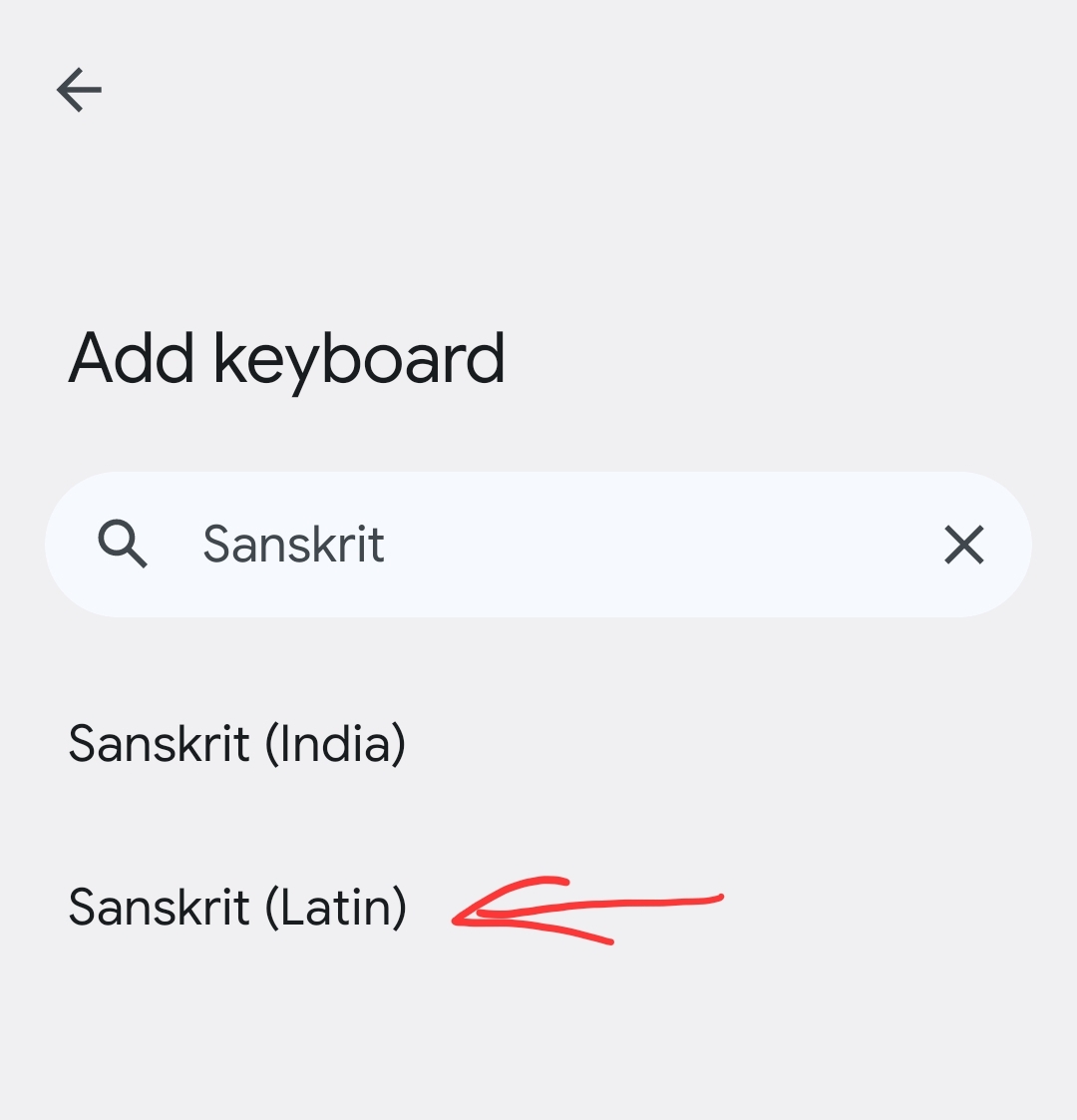
<p>And make sure to add <a href="https://discourse.suttacentral.net/uploads/short-url/3a2fjr5gCIOXRwVOXLp8mnxE7Rf.jpeg">the “Sanskrit (Latin)” keyboard</a> to get access to all the ḍīācṛīṭīcś.</p>]]></content><author><name>Sidharta Suryametta</name></author><category term="reference" /><category term="theravada" /><category term="pali-language" /><summary type="html"><![CDATA[A dictionary file of common Pāli terms for the Android GBoard based on the Access to Insight Glossary.]]></summary></entry><entry><title type="html">From Grasping to Emptiness: Excursions into the Thought-world of the Pāli Discourses Volume 2</title><link href="https://buddhistuniversity.net/content/monographs/grasping-to-emptiness_analayo" rel="alternate" type="text/html" title="From Grasping to Emptiness: Excursions into the Thought-world of the Pāli Discourses Volume 2" /><published>2020-03-18T10:37:06+07:00</published><updated>2026-01-07T20:15:38+07:00</updated><id>https://buddhistuniversity.net/content/monographs/grasping-to-emptiness_analayo</id><content type="html" xml:base="https://buddhistuniversity.net/content/monographs/grasping-to-emptiness_analayo"><![CDATA[<blockquote>
  <p>Consistent precedence given to the development of contentment during all activities as well as when settling down for formal meditation goes a long way in preparing the ground for what is, in a way, the direct result of contentment: a mind that is happily settled within and therefore able to gain deep concentration.</p>
</blockquote>

<p>Part two of Anālayo’s “<a href="/content/monographs/craving-to-liberation_analayo">excursions</a>,” he continues to explore key Pāli terms, this time exploring Upādāna, Sakkāyadiṭṭhi, Sammādiṭṭhi, Saṅkhārā, Vitakka, Yoniso Manasikāra, Vipassanā, Samatha &amp; Vipassanā, Samādhi, Viveka, Vossagga, and Suññatā.</p>]]></content><author><name>Bhikkhu Anālayo</name><uri>https://buddhistuniversity.net/authors/analayo</uri></author><category term="monographs" /><category term="pali-language" /><category term="philosophy" /><category term="meditation" /><category term="theravada" /><category term="hermeneutics" /><category term="imagery" /><summary type="html"><![CDATA[Consistent precedence given to the development of contentment during all activities as well as when settling down for formal meditation goes a long way in preparing the ground for what is, in a way, the direct result of contentment: a mind that is happily settled within and therefore able to gain deep concentration.]]></summary></entry><entry><title type="html">From Craving to Liberation: Excursions into the Thought-world of the Pāli Discourses Volume 1</title><link href="https://buddhistuniversity.net/content/monographs/craving-to-liberation_analayo" rel="alternate" type="text/html" title="From Craving to Liberation: Excursions into the Thought-world of the Pāli Discourses Volume 1" /><published>2020-03-18T10:37:06+07:00</published><updated>2024-09-24T14:48:08+07:00</updated><id>https://buddhistuniversity.net/content/monographs/craving-to-liberation_analayo</id><content type="html" xml:base="https://buddhistuniversity.net/content/monographs/craving-to-liberation_analayo"><![CDATA[<blockquote>
  <p>These two complementary perspectives on happiness — distinguishing between unwholesome and wholesome types and treating the stages of development of its wholesome manifestations — run like a red thread through the entire compass of the teachings in the Pāli discourses, from instructions on basic morality through the path of mental purification all the way up to full awakening.</p>
</blockquote>

<p>Bhikkhu Anālayo analyzes a dozen key doctrinal terms in depth: exploring their meaning, nature, imagery and importance.</p>]]></content><author><name>Bhikkhu Anālayo</name><uri>https://buddhistuniversity.net/authors/analayo</uri></author><category term="monographs" /><category term="pali-language" /><category term="hindrances" /><category term="philosophy" /><category term="theravada" /><category term="hermeneutics" /><category term="imagery" /><summary type="html"><![CDATA[These two complementary perspectives on happiness — distinguishing between unwholesome and wholesome types and treating the stages of development of its wholesome manifestations — run like a red thread through the entire compass of the teachings in the Pāli discourses, from instructions on basic morality through the path of mental purification all the way up to full awakening.]]></summary></entry></feed>