
Taking Refuge in the Triple Gem
Module 3 of An Introduction to BuddhismBuddhism provides a home for us suffering beings.
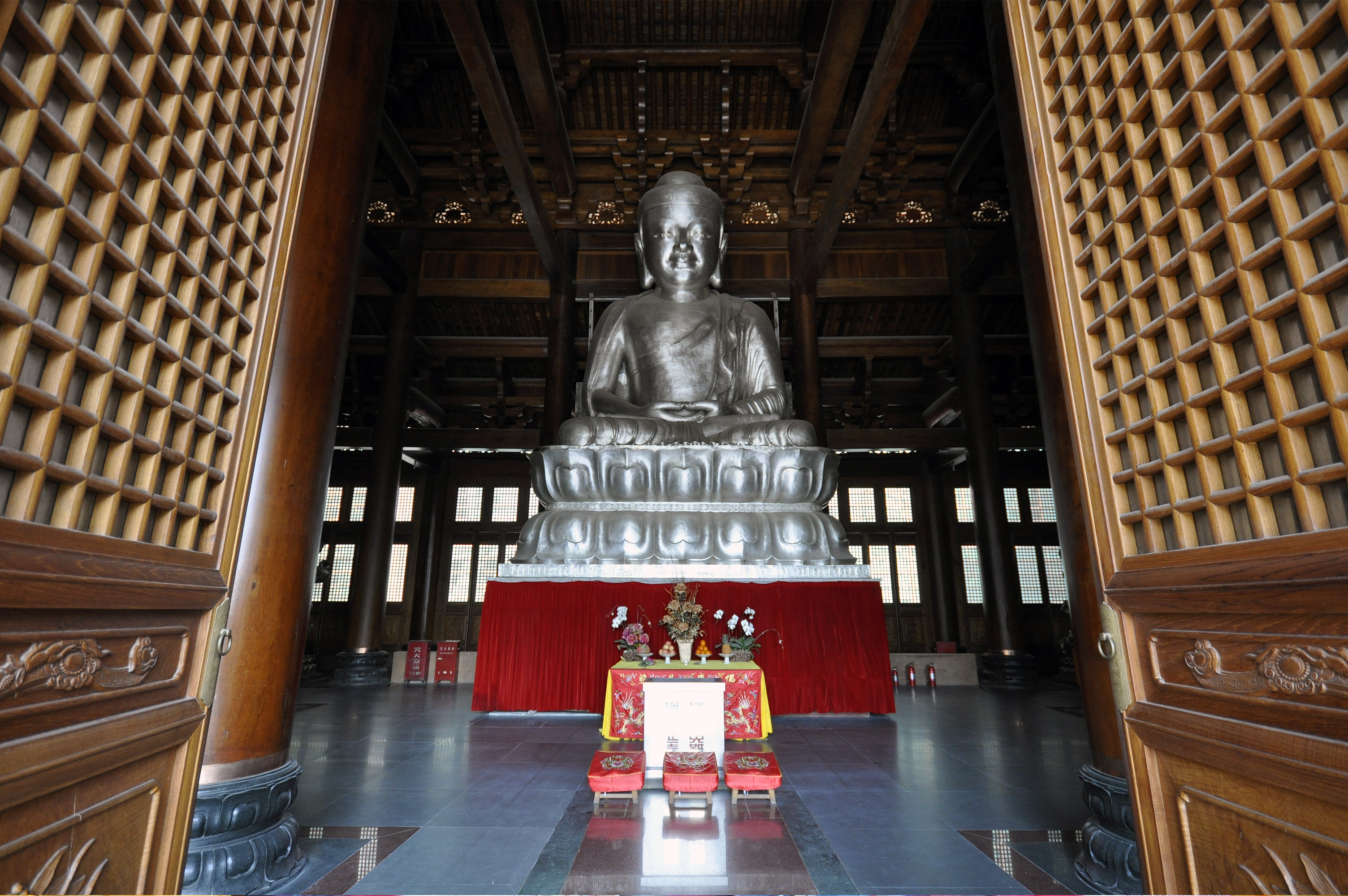

The compassionate wisdom and peerless example of the Buddha show us the way out of Saṃsāra.
Readings
I’d like to introduce you now to the other three texts (in addition to Being Nobody, Going Nowhere) that we’ll be reading through the remainder of this course:
To understand Buddhism, we need to understand something of the life of the Buddha.
Unfortunately, the earliest texts historians have don’t say much about the life of the historical Buddha. (For what we can say from the Pāli texts, see Footprints in the Dust.) Most of the stories about the early Sangha that shape Buddhism today are medieval legends which arose centuries after the Buddha.
This Biography of Shakyamuni Buddha here further took those myths and embellished them with the kinds of psychological details and drama which characterize a good novel, making a highly readable and influential retelling of the Buddha’s life suitable to the modern, casual reader and capturing how many Buddhists today grew up hearing about the Buddha and his first followers.
A precise yet readable overview of the Buddhist Path by one of the greatest scholars of Pāḷi Buddhism alive today.
A transcribed lecture series from the 1980s introducing Buddhism to a Western-educated audience.
We’ll break these up into bite-sized pieces over the coming lessons.
For this module, let’s begin by reading:
- Chapters 1–3 of The Biography on the ancient Indian context into which the Buddha was born (Don’t worry: they’re short chapters!)
- And (optionally) the Introduction, Chapter 1 and Chapter 2 of Fundamentals if you’d like to learn a bit about ancient India
- (We’ll come back to Bhikkhu Bodhi’s Path in Module 7 and will return to Being Nobody in the next lesson.)
In addition to cracking open our new books, see:
This short video introduces the symbolism of a common Buddha statue.
Contemporary Buddhists do indeed worship the Buddha, but what do they think about when they bow to the Buddha statue? Is it “prayer” when Buddhists chant?
Lecture
When you’re finished with the above (I’ll wait!), I’d like to introduce you to our main lecturer for this course: Bhikkhu Bodhi.
Bhikkhu Bodhi is an American monk trained in Sri Lanka, most famous for publishing excellent translations of the Buddha’s words into English. He will teach all the odd-numbered lessons for the remainder of this course. (The even-numbered lectures will feature an array of guest speakers.)
In this first lecture, Bhikkhu Bodhi introduces himself and the class and gives a more standard introduction to the Triple Gem than we got in our first lecture.
Further Reading
If you enjoyed Bhikkhu Bodhi’s lecture, I recommend reading his booklet The Buddha and his Dhamma now (or later) for a deeper introduction. And for more about what refuge means to a Buddhist, see the excellent treatise: Refuge by Thanissaro Bhikkhu
And if you want to take refuge yourself, here’s a video of the ceremony you can follow along with on YouTube.
Homework
Check your understanding with this lesson’s quiz, then click below for the next module whenever you’re ready